You know your home needs double glazing - you feel the draughts, you're watching the heating bills climb, and the condensation streaking down your windows every winter morning is getting old. What you're less sure about is how to get there. Retrofit double glazing or full window replacement? Both will improve your home's thermal performance, but choosing the wrong method for your situation can cost you more in the long run.
This checklist cuts through the noise. Run your home against these five criteria and you'll have a clear answer before you speak to anyone.
1. Assess the Structural Integrity of Your Existing Frames
This is the starting point, because retrofitting is only viable if your existing frames are worth keeping.
For aluminium frames, look for corrosion, pitting, or surface oxidisation - particularly around the corners and where the frame meets the wall. Timber frames should be checked for soft spots, rot, or warping. Give the frame a gentle push at each corner - any flex or movement is a red flag.
If your frames are warped, corroded beyond the surface, or if seals are failing well beyond the glass edge, a full replacement is your only sensible option. Retrofitting new glass into compromised frames is a short-term fix that leads to higher costs later, meaning you'll be back in a few years doing the job again properly.
2. Consider Thermal Performance and the 'Thermal Break'
New double-glazed glass installed into an old aluminium frame will absolutely improve your home's warmth, but there's an important limitation most people aren't told about upfront.
Aluminium frames manufactured before the 2000s are highly conductive. Without a thermal break (an insulating barrier built into the frame profile), the frame itself will continue to transfer cold into your home and produce condensation, even with brand-new glass sitting in it. According to BRANZ, the frame accounts for a significant portion of a window's overall thermal performance - it's not just about the glass.
If your primary goal is to reduce condensation and push your home's energy rating as high as possible, a full replacement with modern thermally broken aluminium joinery is the correct path. If you simply want a meaningful improvement over single glazing at a lower cost, retrofitting still delivers. You can learn more about what performance differences to expect in our guide to what you'll actually pay for double glazing in New Zealand.
3. Factor In Aesthetic and Configuration Changes
Before you commit, ask yourself honestly - do you like the way your house looks right now?
Retrofitting preserves your current window layout, frame colour, and opening style. It's an invisible upgrade - your home looks identical, just performs better. Full replacement, on the other hand, gives you a blank slate. You can change a fixed pane into an awning window for ventilation, convert a window into a sliding door to open up a room, update a faded bronze frame to a modern black or grey, or reconfigure entire walls of glazing as part of a renovation.
The Gen Less double glazing guide notes that window upgrades done as part of broader home improvements tend to deliver the best long-term value, because the disruption and cost of access is shared across the project.
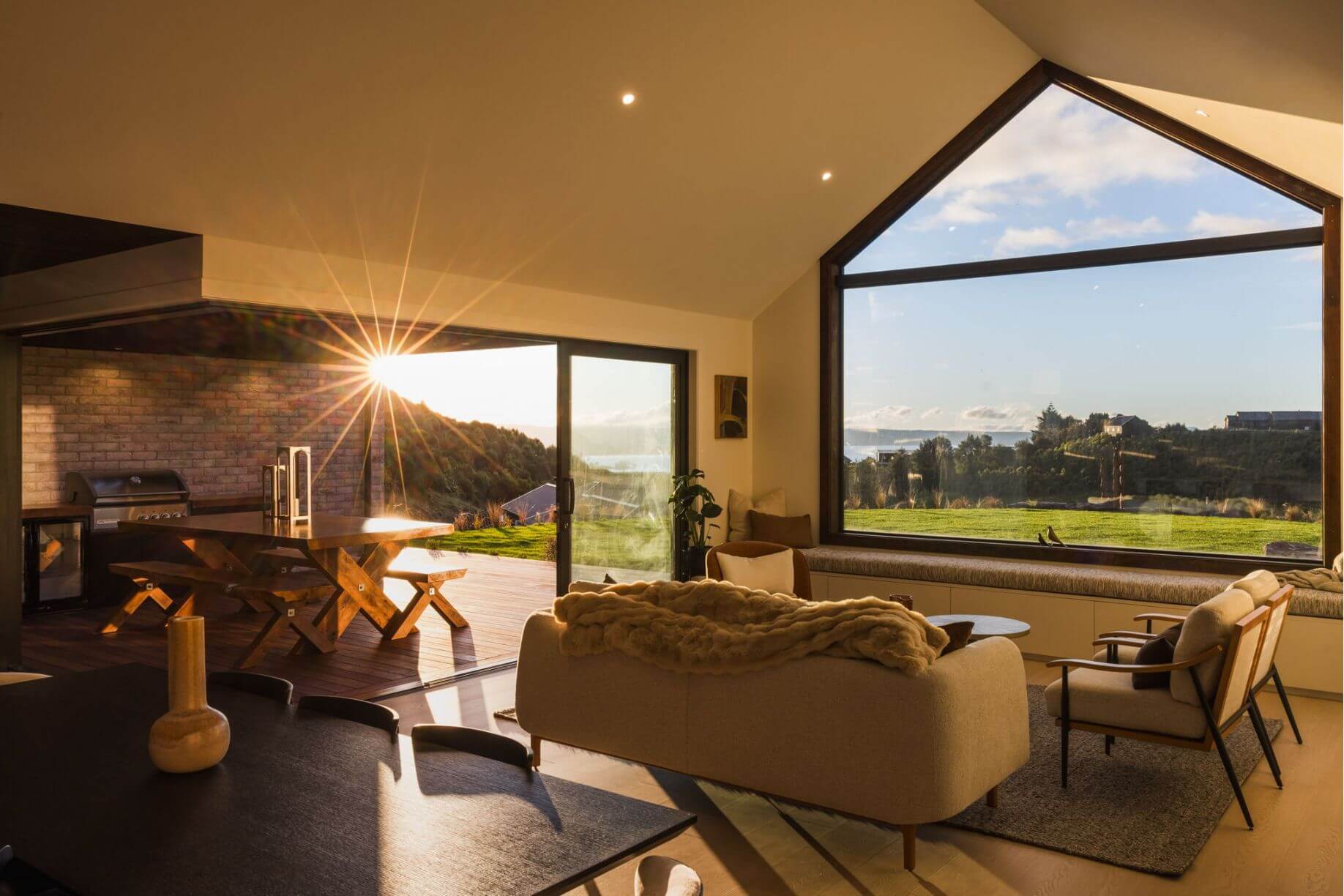
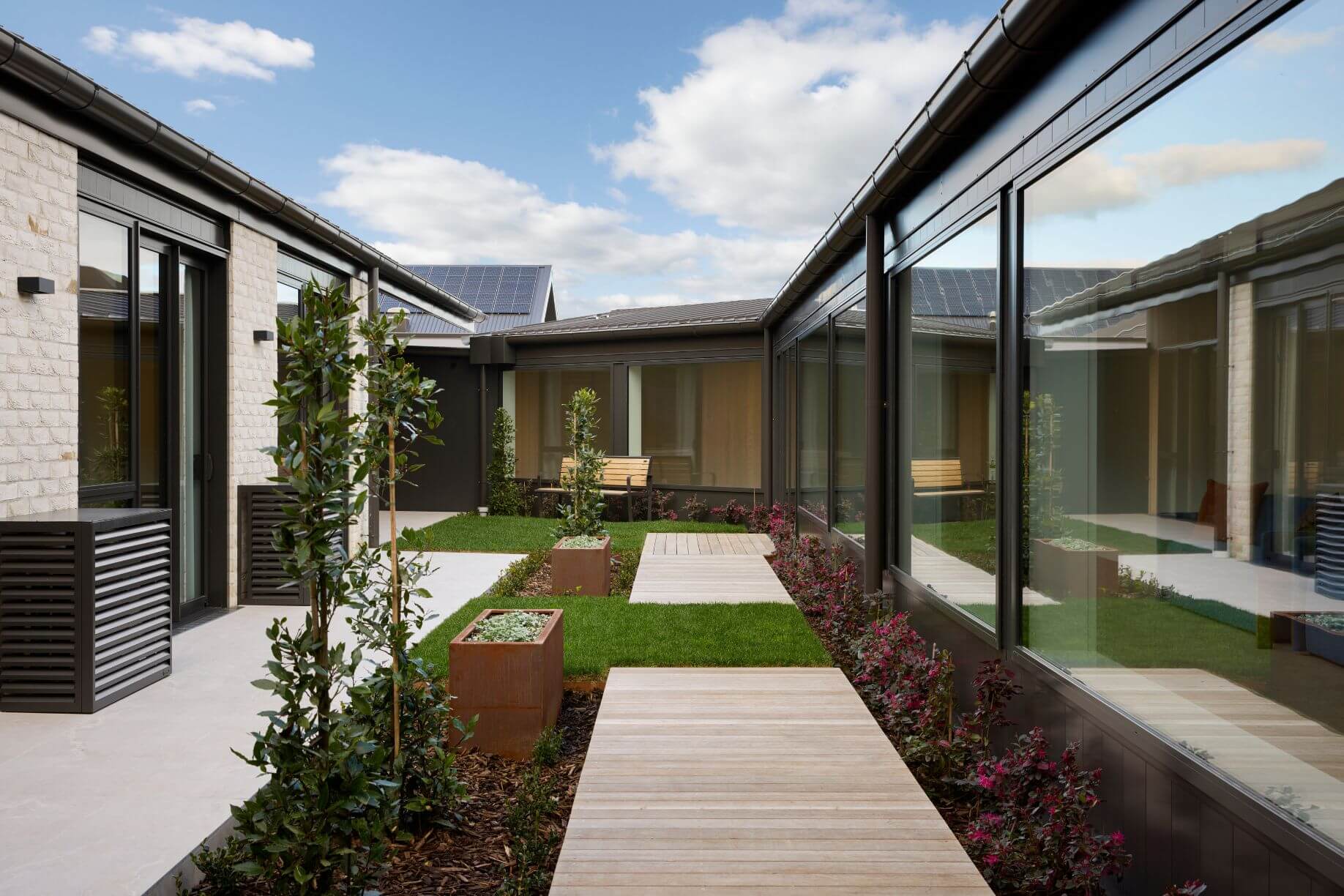
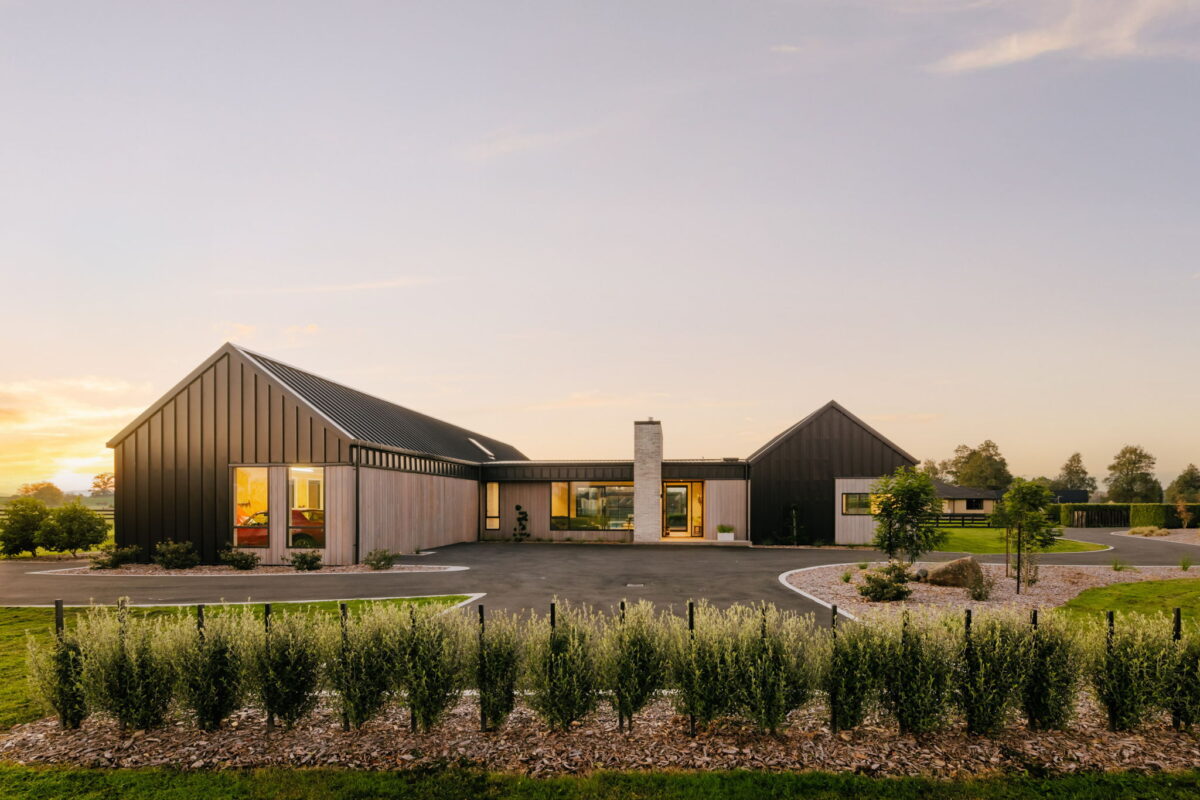
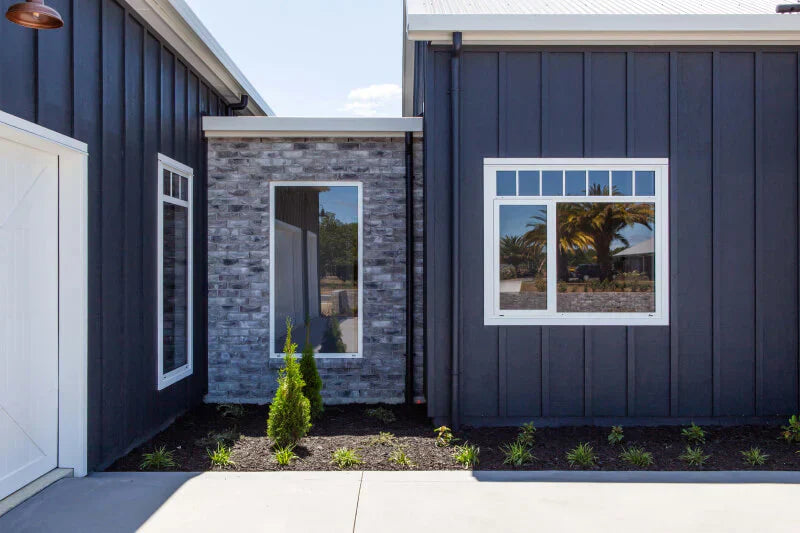
If you're already planning a renovation that involves changing the flow or aesthetic of a room, bundle it with a full replacement. If you're happy with how your home looks and just want better performance, retrofitting makes perfect sense. For more detail on how these two options compare side by side, see our full article on full window replacement vs. retro-fit windows in New Zealand. You can also take a look at our Gallery to see the range of colours, styles, and configurations we've completed across New Zealand homes.
4. Weigh Up Investment vs. Immediate Budget
Retrofitting is typically 30-40% cheaper upfront than full replacement, and that's a meaningful difference, particularly across a whole house.
However, when it comes to resale value, the two options aren't equal. Buyers and valuers tend to view full replacement as a 'new feature,' while retrofitting is seen as a modification to an existing one. If you're renovating with an eye on the market, that distinction matters.
For a forever home where you're optimising over 20 years, full replacement delivers better ROI - lower ongoing energy costs, higher property value, and no repeat work. For an immediate efficiency boost on a tighter budget, or on an investment property where you're not planning to hold long term, retrofitting is the smarter spend.
5. Think About Installation Impact and Timeline
Finally, consider what the installation process will actually mean for your day-to-day life.
Retrofitting is minimally invasive. In most cases, installers work from the outside, the existing liners stay untouched, and there's no need for scaffolding, repainting, or interior repairs. A retrofit job on a typical New Zealand home can often be completed in a single day per window.
Full replacement is a more involved process. It requires removing the existing joinery, making good the surrounding wall, and potentially repainting or replastering internally. It's absolutely worth it for the right project, but it takes longer and creates more disruption.
If you need the work done quickly with minimal mess - especially if you're living in the house through winter - retrofitting is the faster, cleaner option.
Not Sure Where You Land? Let Us Take a Look.
The checklist above will get you 80% of the way there, but frame condition in particular is something that really needs to be assessed in person. What looks solid can have hidden corrosion, and what looks rough can sometimes be salvageable.
The team at DuCo Group offers a free site measure where we'll assess your existing frames against exactly these criteria and give you an honest recommendation - whether that points toward a retrofit or a full replacement.
Book your free site measure with DuCo Group and take the guesswork out of it.