Selecting the colour for your aluminium joinery is a lasting investment that determines the visual impact and longevity of your property. Aluminium is the modern joinery choice in New Zealand due to its robustness and minimal maintenance. The finish must be resilient against the country’s unique weather, from high UV exposure to corrosive coastal salt spray.
Which Surface Finish Should I Choose for my Aluminium Joinery?
1. Powdercoating: Versatility and Value
Powdercoating is the most popular choice for residential NZ homes due to its versatility and value. It is a pigmented powder that is applied and then baked onto the aluminium frame. This process results in a comprehensive range of colours that can be matched to virtually any design palette.
-
Key Features: It offers a tough, baked-on finish and an extensive colour palette. DuCo Group primarily uses Duralloy Plus, a highly durable polyester powder that often carries a 15-year warranty on film and colour integrity. For high-contact areas like the front door, the Protexture finish is a common choice, providing enhanced mar and scuff resistance. You can explore the full spectrum of available colours and finishes here.
-
Benefits: Versatility in colour (from subtle neutrals to vibrant brights) and cost-effective performance.
-
Coastal Note: Powdercoating is suitable for properties generally greater than 10 metres from the high-tide line. However, strict and regular washing is essential to meet warranty requirements and prevent corrosive salt build-up.
2. Anodising: Corrosion Resistance
Anodising is a superior finish in harsh environments. It transforms the aluminium surface into a highly durable, corrosion-resistant layer, which means the finish is part of the metal, not applied on top.
-
Key Features: Creates a tough-wearing, protective layer, resulting in a smooth, matt metallic finish that maintains the natural sheen of the aluminium.
-
Benefits: Extreme durability and corrosion resistance. Because the finish is part of the metal, it cannot peel, chip, or flake. This finish is the most robust solution, recommended for direct coastal exposure and industrial environments, providing the highest level of protection.
-
Aesthetics: The colour range is limited to sophisticated metallic shades like Silver, Bronze, and Black, offering a refined, non-painted appearance.
View and download DuCo Group’s brochures on powdercoating and anodising.
What Are the Current Aluminium Joinery Colour Trends in NZ?
The colour of the joinery is key for modern New Zealand home design, offering an opportunity to provide contrast or blend seamlessly with the exterior cladding.
-
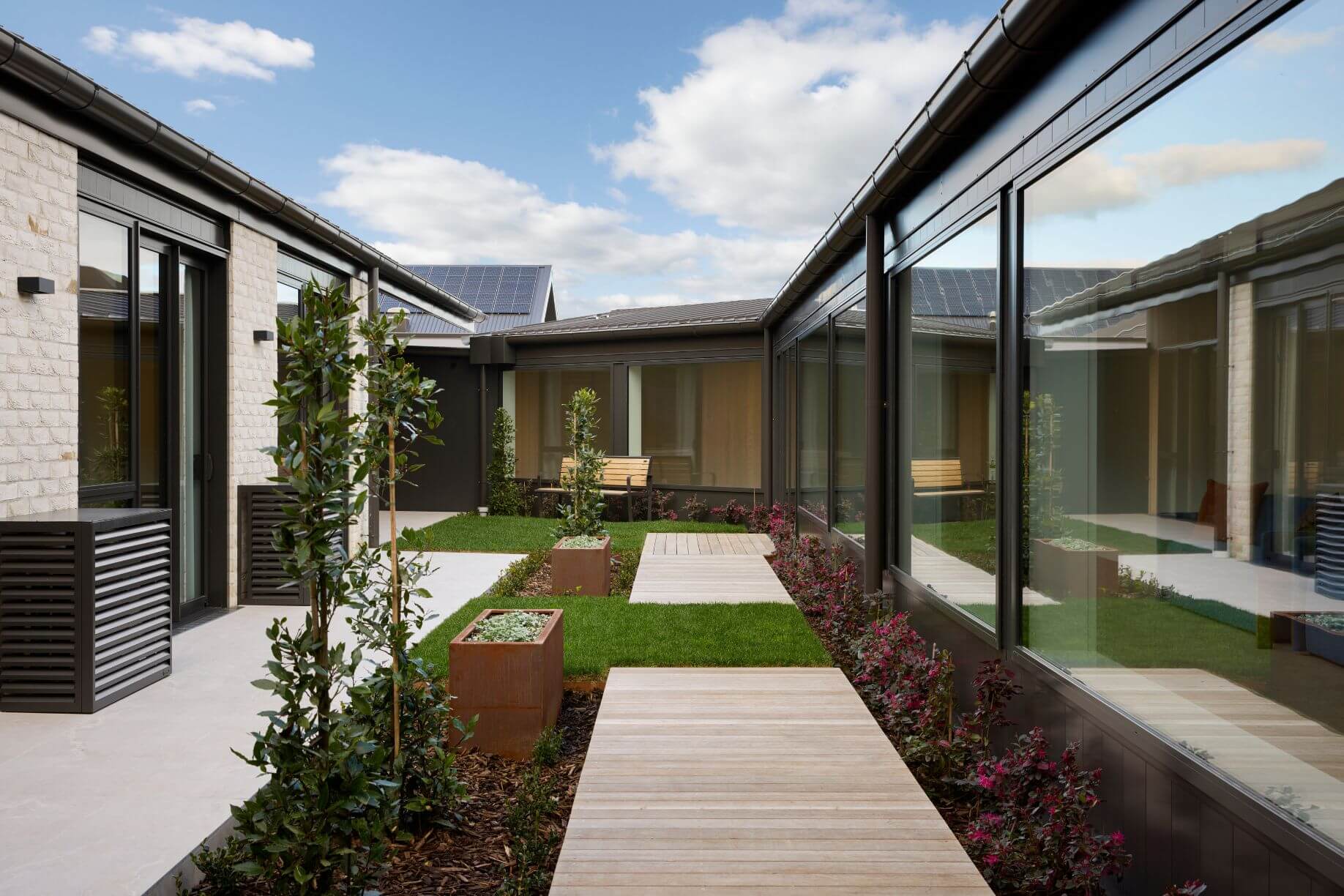
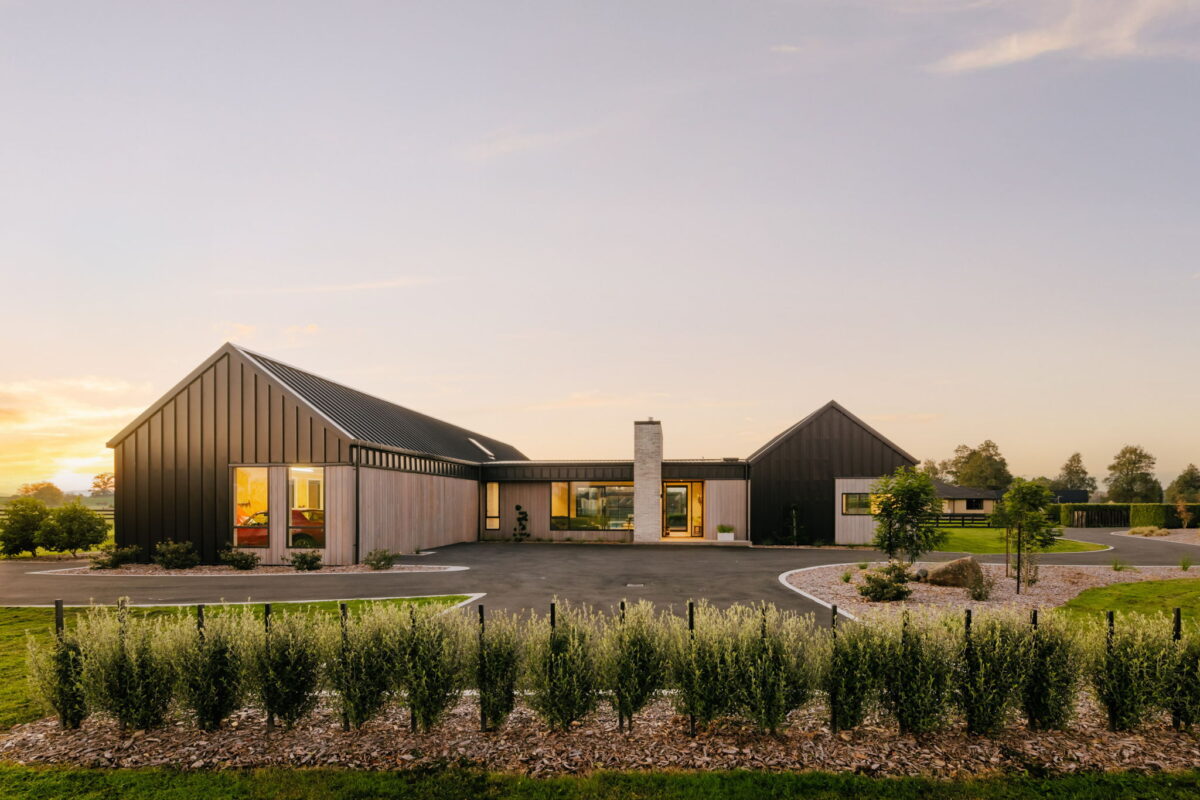
Dark Tones: Colours like Matt Black, Charcoal, and Grey Friars remain the most popular choices. These dark tones define window and door frames, offering a striking contrast to lighter exteriors and emphasising the clean, modern geometry of the property.
-
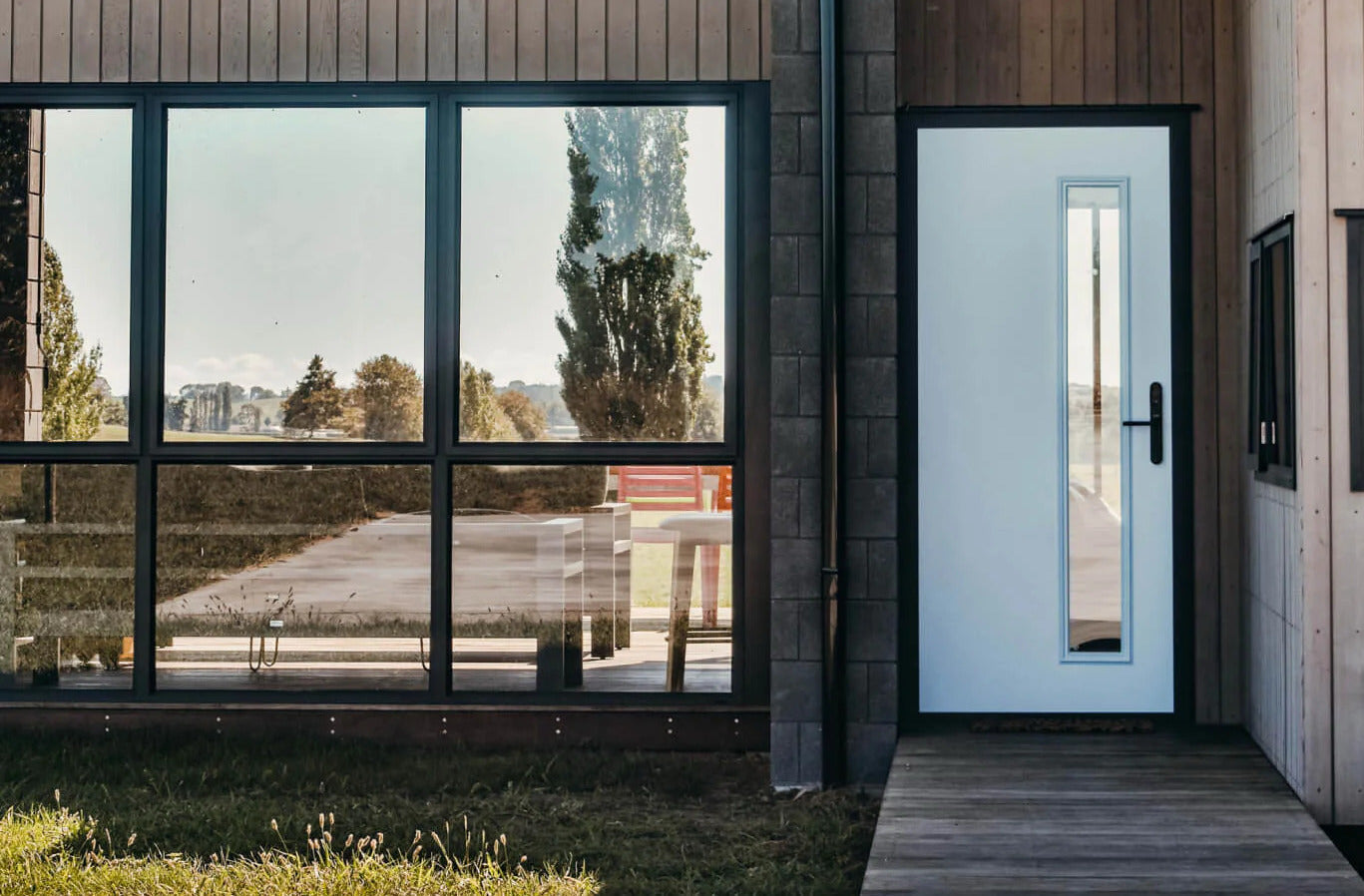
Blending: For a softer, more cohesive look, flat-matt neutrals such as Flax Pod or Ironsand are used. These tones work with textured or natural cladding materials, ensuring the joinery complements the material, rather than dominating the appearance.
-
The Feature Accent: While main frames are muted, the entrance often offers a chance to inject personality. Using a vibrant colour from a 'Brights' range for the front door creates a clear, welcoming entry point and boosts street appeal.
Design Considerations: Contrast, Blend, or Accent?
-
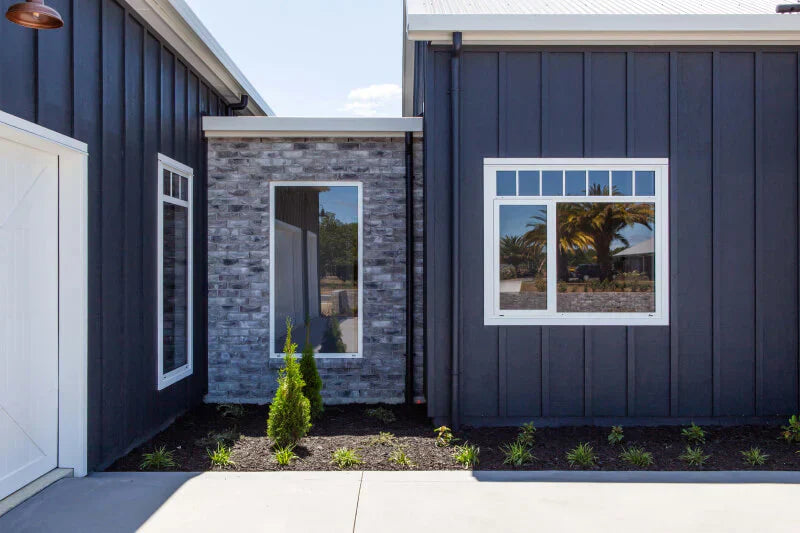
Contrast Look: Pairing dark joinery on light cladding (e.g., black joinery on white weatherboard) highlights the window as an architectural feature.
-
Blended Look: Matching joinery colour to cladding unifies the facade, working well with bold or textured materials.
Darker colours absorb more heat (solar absorption), which is a factor for large, north-facing windows. This effect is substantially reduced by high-performance glass and the use of thermally broken joinery systems.
Browse our gallery to gather colour and design inspiration for your next project.
How Does Aluminium Joinery Hold Up in the New Zealand Environment?
New Zealand’s climate demands joinery that performs reliably for decades. Your joinery must meet the durability requirements of the NZ Building Code.
-
Coastal Requirements: For high-wear environments, particularly those near the coast, Anodising is often the best choice for its corrosion resistance. For powdercoated products in these areas, a strict regular cleaning schedule is necessary for warranty retention.
-
Thermal Performance: The colour does not affect the frame's thermal performance. The key structural element is ThermalHEART technology - an insulating strip at the core of the frame. This thermal break prevents heat transfer, ensuring your home complies with the latest H1 Building Code requirements for energy efficiency. This technology is integrated across our range, including our Residential and Metro suites.
-
DuCo Group Product Range: We offer a versatile selection of windows and doors, including Sliding Doors and Bi-folding Windows, all available with these colour finishes. View our full product range and available joinery suites here.
-
Maintenance: Routine cleaning is essential to prevent the build-up of dirt, salt, and pollutants. Use a soft cloth and a mild detergent solution, followed by a rinse with fresh water. Avoid harsh solvents or high-pressure water blasting.
Choosing the ideal colour balances your aesthetic vision with the environmental demands of your location. Whether you opt for the versatility of powdercoat or the durability of anodising, a quality product installed correctly will enhance your home for decades.
For expert advice on balancing design trends, required durability, and to view physical colour swatches in your local conditions, get in touch with the team at DuCo today. We are here to help you achieve a functional and beautiful outcome.